
Home | Research & Resources | Türkiye
Key Findings
There have been no studies conducted on FGM/C amongst the native Turkish population. Existing research is limited to migrant populations residing in the country, particularly Somali women. A 2022 report found that 97.5% of Somali women living in Türkiye have experienced FGM/C.
No reports on FGM/C prevalence amongst Turkish women and girls have been publicly published. In fact, there is no evidence that these studies are taking place at all in the country. Thus, data on knowledge and attitudes towards the practice is unavailable. However, local activists have emphasized that medicalized FGM/C is taking place and is packaged to clients as cosmetic surgery.
Amongst Somali women living in Türkiye, 75.4% agree that FGM/C should be stopped.
Geography
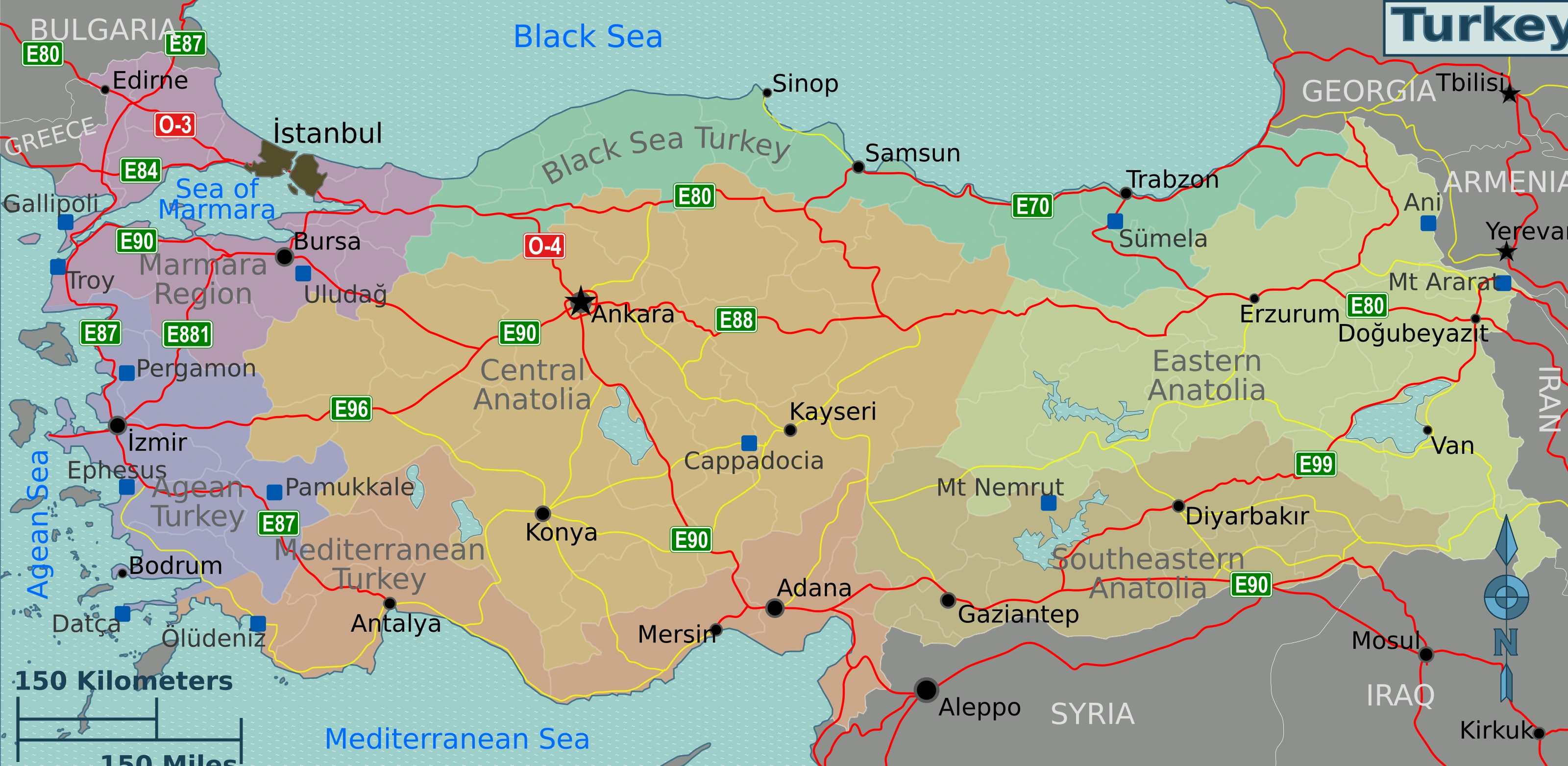
There is no data on geographical variation in the prevalence of FGM/C in Türkiye.
Age
85.3% of Somali women living in Türkiye were cut between the ages of 6-10 years.
Type
Interviews with local FGM/C experts revealed that in Türkiye, FGM/C is promoted by doctors under the terms ‘labiaplasty’, ‘vaginoplasty’, ‘hoodoplasty’ and ‘Barbie Vagina’
Agent
Almost all FGM/C in Türkiye is carried out by doctors, both licensed and unlicensed, in medicalised settings.
Trends of FGM/C across Türkiye
Local FGM/C activists emphasize that the practice is increasingly medicalized in Türkiye, a country with a highly developed healthcare sector. FGM/C is being marketed under cosmetic labels like ‘Labiaplasty’, ‘Vaginoplasty’, ‘Hoodoplasty’ and ‘Barbie Vagina’ and being treated as any other other cosmetic procedure. By offering FGM/C in hospitals and clinics under the guise of cosmetic surgery, Türkiye has evaded themselves from the FGM/C discussion and has rather insisted that the practice does not align with national values and is only occurring amongst migrant communities. Local activists, however, argue that this portrayal does not reflect the reality on the ground.
FGM/C Legislation in Türkiye
Although there is no specific law criminalising FGM/C in Türkiye, certain provisions of the Turkish Penal Code (Law No 5237, 2015) can be applied, notably Article 86(1) which refers to “any person who intentionally causes another person physical pain, or who impairs another person’s health” and Articles 37-40 can be applied to those who assist in an act of FGM/C. Child Protection Law (No 5395, 2005) refers to the fundamental principle of young people’s right to protection and safeguarding of their health.
Development Indicators
Population Growth
87,681,200 (as of 9/10/2025), with a 0.37% growth rate (2025)
Infant Mortality
18.4 deaths per 1,000 live births (2024)
Maternal Mortality
15 deaths per 100,000 live births (2023)
SDG Gender Index
78 out of 139 countries (2022)